10722 Ketchum Valley Dr, Riverview, FL 33579


Why Your Teeth Change After 60 (And What Your Dentist Won’t Tell You)


If you are over 60 and living in Riverview, FL, your smile has been through a lot. Many seniors notice real changes in their teeth — and not all of them get clear answers about why. Understanding why your teeth change after 60 (and what your dentist won’t tell you) in Riverview is the first step to protecting your smile for the years ahead. Dr. Pablo Raphael Velazquez, DDS, at Valley Dental Riverview is here to explain what is really happening inside your mouth as you age.
How Aging Quietly Changes Your Oral Health After 60
Your teeth and gums do not stay the same as your body ages. Enamel becomes thinner and more brittle over time. Gums begin to recede, exposing sensitive root surfaces. These changes happen gradually, so many patients do not notice until a problem becomes serious.
Root surfaces are far more vulnerable to decay than enamel. Once exposed, they can develop cavities much faster. Many seniors in Riverview are surprised to learn that tooth decay is not just a childhood problem — it is a real threat after 60 as well.
Bone density also decreases with age, which can affect the jawbone that supports your teeth. Weaker bone structure makes tooth loss more likely over time. Staying on top of regular dental visits helps catch these changes before they progress.
Dry Mouth, Medications, and Your Teeth in Riverview
One of the biggest hidden threats to senior dental health is dry mouth. Most people do not connect dry mouth to their medications, but it is one of the most common side effects of drugs taken for blood pressure, anxiety, allergies, and more. Saliva is your mouth’s natural defense system — it neutralizes acids and washes away bacteria.
Without enough saliva, bacteria thrive and decay spreads quickly. Many seniors in Riverview take multiple medications daily, increasing this risk significantly. This is something many patients do not hear about until damage is already done.
Here are common signs that dry mouth may be affecting your teeth:
- Persistent bad breath that does not go away with brushing
- Sticky or dry feeling inside the mouth throughout the day
- Difficulty chewing or swallowing dry foods
- Increased frequency of cavities or tooth sensitivity
- Cracked lips or a sore, dry tongue
Dr. Velazquez recommends discussing all current medications during your dental visit. Identifying dry mouth early allows the team to recommend rinses, hydration strategies, and more frequent cleanings to protect your teeth.
Gum Recession and Root Decay — What Most Seniors Miss
Gum recession is extremely common after age 60. As gums pull back, the root surface becomes exposed. Roots do not have the same hard enamel coating that protects the crown of your tooth. This makes them much more susceptible to decay and sensitivity.
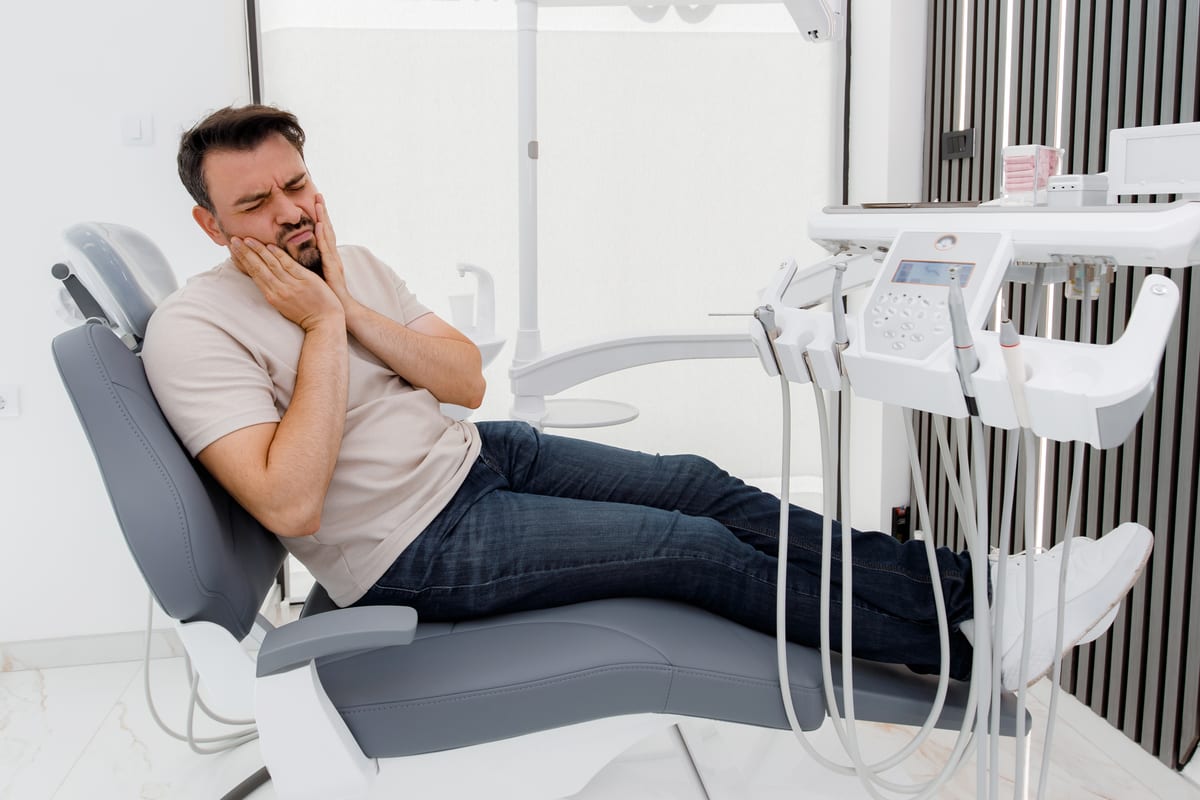
Root decay can progress quickly if left untreated. Many seniors in Riverview do not realize their gums have receded until they feel sensitivity or pain. By that point, treatment becomes more complex and more urgent.
Periodontal disease is also strongly linked to gum recession. Gum disease does not just threaten your teeth — research connects it to heart disease, diabetes complications, and other systemic health issues. Protecting your gums means protecting your overall health.
Valley Dental Riverview offers comprehensive periodontal care to address gum disease at every stage. Early intervention can stop recession from worsening and protect your roots from further damage.
Dentures and Dental Implants — Choosing the Right Solution After 60
Tooth loss becomes more common after 60, but it does not have to define your smile. Today’s patients have more options than ever before. Understanding those options helps you make the best choice for your health and lifestyle.
Dentures remain a proven and effective solution for many seniors. Modern dentures are more comfortable and natural-looking than those of past generations. They restore chewing function and help maintain facial structure after tooth loss.
Dental implants are another powerful option for eligible patients. Implants replace the root of a missing tooth with a titanium post, creating a permanent and stable foundation. Many patients over 60 are excellent candidates — age alone does not disqualify someone from receiving implants.
Here is a quick comparison to help you understand both options:
- Dentures: Removable, covers multiple missing teeth, no surgery required, easier process
- Dental Implants: Permanent, prevents bone loss, functions like a natural tooth, requires sufficient bone density
- Implant-Supported Dentures: Combines both approaches, offers stability with broader coverage
- Dental Crowns: Ideal for damaged but still-rooted teeth, restores full function and appearance
Dr. Velazquez evaluates each patient individually to recommend the most appropriate treatment. A thorough exam and X-rays help determine bone density and overall candidacy for implants or other restorative options.
Cosmetic and Preventive Care for Seniors in Riverview
Oral health after 60 is not just about fixing problems — prevention matters just as much. Staying consistent with cleanings, X-rays, and home care routines protects your teeth from accelerating decay. Fluoride treatments can also help strengthen aging enamel and root surfaces.
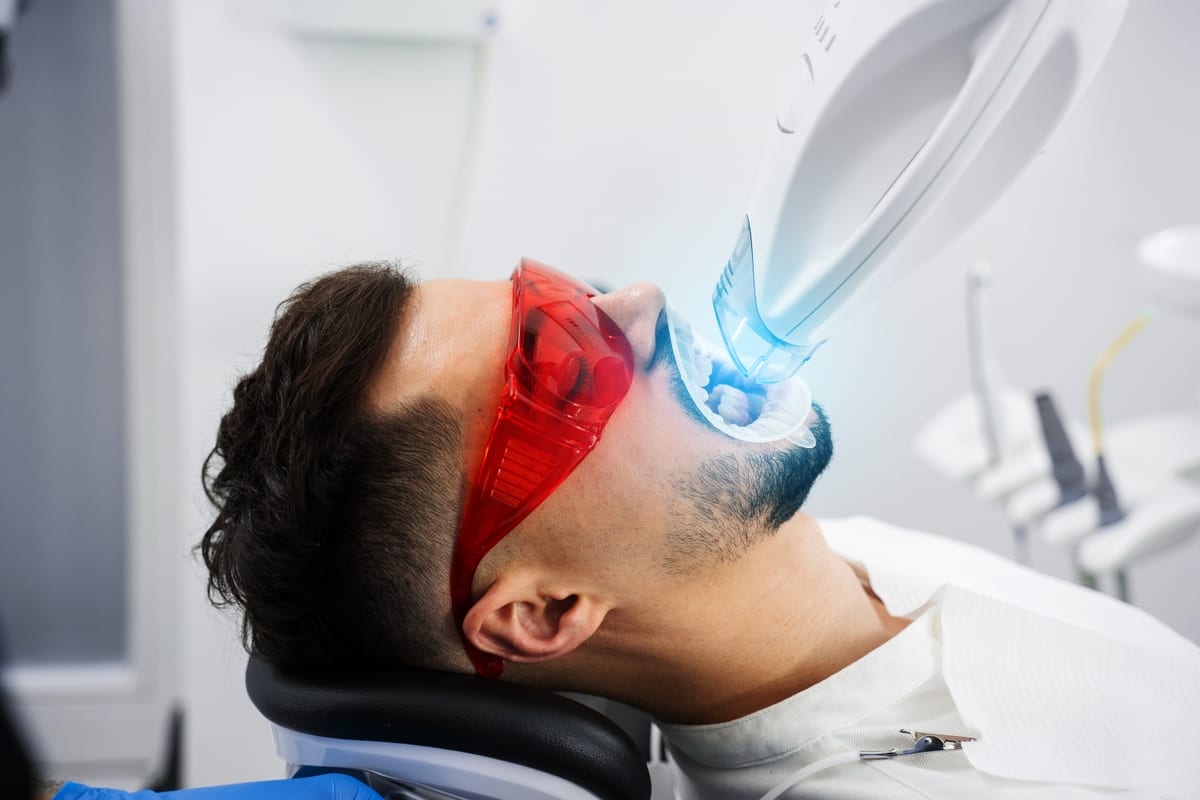
Some seniors assume cosmetic treatments are only for younger patients. That is simply not true. Teeth whitening and veneers can be appropriate for older adults in good dental health. Cosmetic Dentistry Riverview patients of all ages deserve to feel confident in their smile.
It is also important to know when to seek urgent care. A cracked tooth, sudden pain, or a lost crown should never be ignored. These issues can worsen rapidly in seniors due to thinner enamel and existing gum recession. Emergency Dentistry Riverview services are available at Valley Dental Riverview when you need fast, compassionate care.
Building a consistent relationship with your dentist becomes even more important after 60. Regular checkups allow Dr. Velazquez to track changes over time and act early when something shifts.
What You Can Do Right Now to Protect Your Smile
Knowing about these changes gives you real power to act. Small daily habits make a significant difference in how your teeth hold up over the coming years. Staying hydrated helps combat dry mouth caused by medications. Using a soft-bristle toothbrush protects already-sensitive gum tissue.
Electric toothbrushes are often easier for seniors who have arthritis or limited hand mobility. Flossing remains essential, even around dental work or dentures. If flossing is difficult, interdental brushes or water flossers are great alternatives.
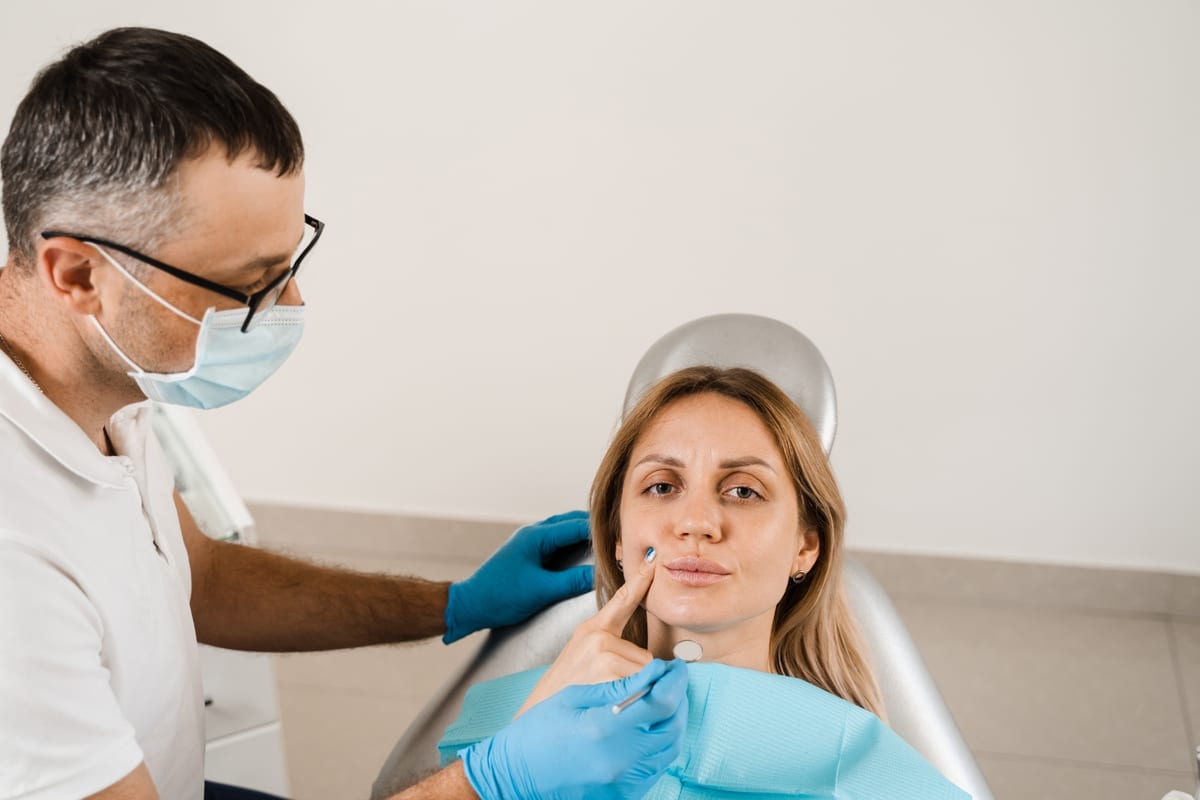
At Valley Dental Riverview, Dr. Velazquez and the team take time to educate every patient about their specific oral health needs. Senior care is not one-size-fits-all. Your treatment plan should reflect your health history, medications, and personal goals.
Do not wait for pain to prompt a dental visit. Scheduling a comprehensive exam now helps establish a baseline and catch anything that needs early attention. Book Now to schedule your appointment with our team.
Frequently Asked Questions
Why do teeth become more sensitive after age 60?
Sensitivity increases as gums recede and expose root surfaces. Root surfaces lack the protective enamel layer found on the crown of the tooth, making them more reactive to temperature and pressure. Thinning enamel also contributes to sensitivity over time. Dr. Velazquez can recommend desensitizing treatments and protective measures during your visit.
Can dry mouth from medications cause serious dental damage?
Yes, dry mouth significantly increases your risk of cavities and gum disease. Saliva is essential for neutralizing acids and washing away harmful bacteria. Without enough saliva, decay can spread rapidly — especially on exposed root surfaces. Talking to your dentist about your medications helps the team create a protective plan tailored to your needs.
Am I too old for dental implants at 60 or older?
Age alone does not disqualify anyone from receiving dental implants. The key factors are overall health and sufficient jawbone density. Many patients in their 60s, 70s, and beyond are excellent implant candidates. A thorough evaluation at Valley Dental Riverview will determine whether implants are the right solution for you.
How often should seniors visit the dentist?
Most dental professionals recommend visits every six months, but seniors with active gum disease, dry mouth, or higher decay risk may benefit from more frequent appointments. Consistent checkups allow your dentist to monitor changes and catch problems early. Valley Dental Riverview creates personalized care schedules based on each patient’s unique needs.
What is the best way to prevent root decay after gum recession?
Preventing root decay starts with excellent daily oral hygiene and regular professional cleanings. Fluoride treatments applied by your dentist help strengthen exposed root surfaces. Staying hydrated and using products designed for dry mouth also reduces decay risk. Early detection during routine visits gives your dentist the best chance to stop decay before it spreads.