10722 Ketchum Valley Dr, Riverview, FL 33579
How Hard Water in Riverview Could Be Affecting Your Teeth — Our Dentist in Riverview Explains

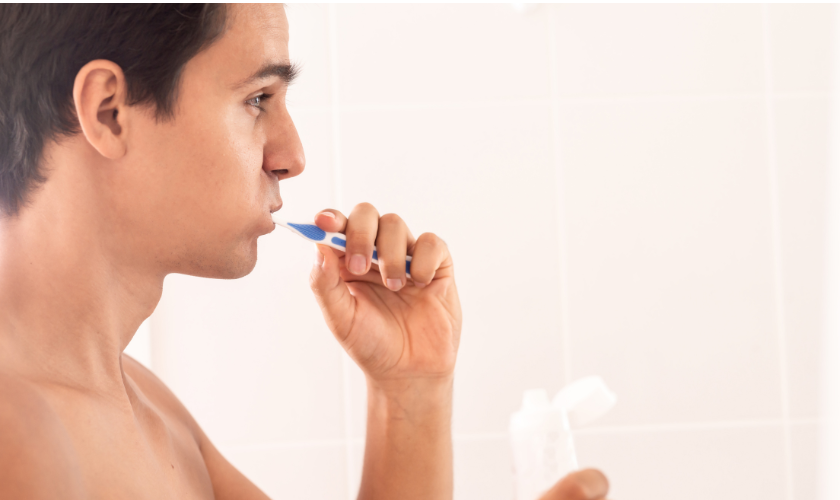
Most of us don’t think twice about the water coming out of our taps. We use it to brush our teeth, rinse our mouths, and make our morning coffee — but what if that same water was slowly working against your dental health?
If you live in Riverview, you might be dealing with hard water without even knowing it. And while it’s not something that causes overnight damage, over time it can have a real impact on your teeth, your enamel, and even your dental appliances. At Valley Dental Riverview, we see the effects of it more than you’d think — and we want to help you understand what’s going on.
What Is Hard Water, Exactly?
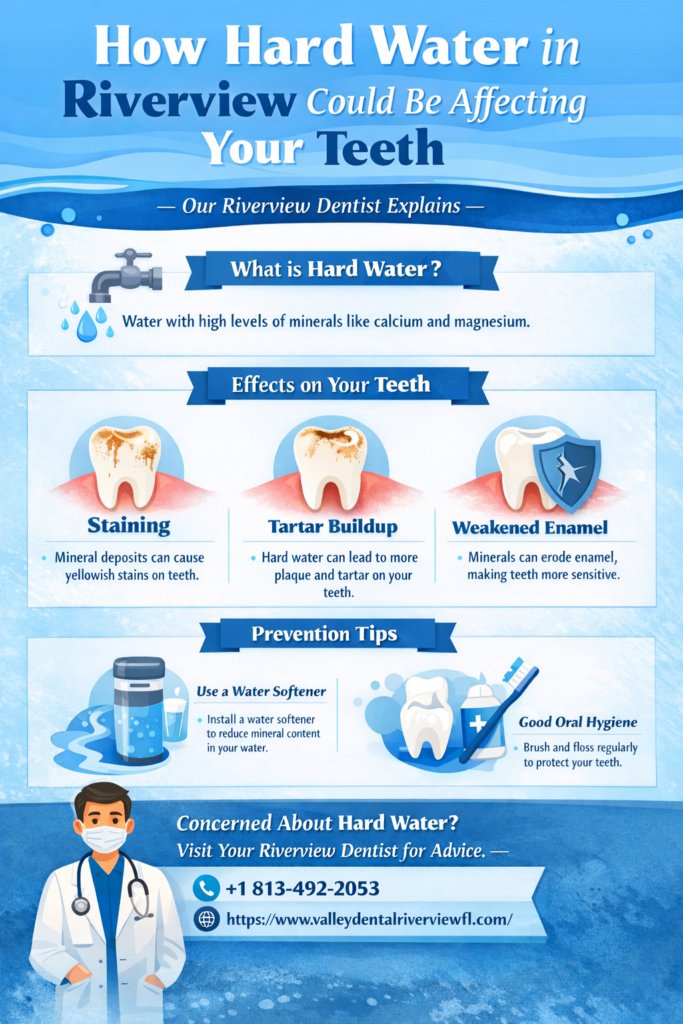
Hard water is simply water that contains higher-than-average levels of dissolved minerals — mainly calcium and magnesium. These minerals are picked up as water travels through rock and soil before it reaches your home.
You’ve probably noticed the signs already: white, chalky deposits around your taps, a filmy residue on your shower screen, or glasses that come out of the dishwasher looking spotty. That’s mineral build-up — and the same thing can happen in your mouth.
Riverview’s water supply, like many areas in Queensland, can carry moderate to high mineral content depending on the season and source. It’s not dangerous to drink, but it does have some dental implications worth knowing about.
How Hard Water Affects Your Teeth
1. Tartar Build-Up Happens Faster
One of the most direct dental effects of hard water is an increase in tartar — also called calculus — on your teeth. Calcium in the water contributes to mineral deposits that, when combined with the bacteria already present in your mouth, can harden into tartar far more quickly than in households with soft water.
Unlike plaque, tartar can’t be removed by brushing. It needs to be professionally cleaned off at your dental appointment. If left unchecked, it can lead to gum irritation, gingivitis, and eventually gum disease.
2. It Can Affect Your Enamel Over Time
Here’s where it gets a bit more nuanced. Calcium and magnesium are actually minerals your enamel needs — so in theory, hard water sounds like it should be good for your teeth, right?
Not quite. While moderate fluoride-rich water is genuinely beneficial, excessive mineral content can disrupt the natural remineralisation process. If the mineral balance in your saliva and mouth is thrown off, your enamel may not absorb the minerals it needs as effectively.
Over years of exposure, some patients experience a subtle dulling or roughening of their enamel surface — making it slightly more susceptible to staining and sensitivity.
3. It Makes Tooth Staining Worse
Hard water leaves mineral residue on surfaces — including your teeth. This creates a micro-rough surface that acts like a magnet for stains from coffee, tea, red wine, and certain foods. If you’ve been wondering why your teeth seem to stain faster than they used to or why whitening treatments don’t seem to last as long, hard water could be a contributing factor.
4. It Can Cause Discolouration in Kids’ Teeth
In some cases — particularly where fluoride levels are higher or water quality fluctuates — children developing their adult teeth can experience a condition called dental fluorosis. This shows up as white spots, streaks, or in more severe cases, brownish pitting on the enamel.
If you’ve noticed unusual markings on your child’s teeth, it’s always worth getting them checked by a dentist Riverview families trust for thorough, gentle assessment.
What You Can Do About It
The good news is that hard water, while worth understanding, is very manageable. Here are some practical steps you can take.
Switch to Filtered Water for Rinsing
A simple carbon or reverse osmosis filter can significantly reduce the mineral content of your tap water. Even just using filtered water for rinsing after brushing can reduce the mineral residue left behind in your mouth.
Stay on Top of Your Professional Cleans
If hard water is contributing to faster tartar build-up, the most effective counter is regular professional cleaning — ideally every six months. This removes the hardened deposits that your toothbrush simply can’t touch and keeps your gum line healthy.
Use Fluoride Toothpaste Consistently
Fluoride is your enamel’s best friend. Using a good quality fluoride toothpaste helps remineralise and strengthen enamel, giving it some extra protection against the effects of mineral-heavy water.
Consider a Water Softener
If you’re really concerned — or if you’ve noticed significant tartar build-up or staining — it might be worth looking into a home water softening system. They replace calcium and magnesium ions with sodium, which is far less likely to leave deposits on teeth or surfaces.
When to Bring It Up With Your Dentist
Most people won’t need to make dramatic changes — but if you’ve noticed any of the following, it’s worth mentioning at your next appointment:
- Recurring tartar build-up even with good brushing habits
- Teeth that seem to stain quickly or lose whiteness fast
- Increased sensitivity along the gum line
- White spots on your children’s teeth
These are all things the team at Valley Dental Riverview can assess, and we’ll help you work out whether your water quality is playing a role and what the best course of action is. Visit us to know more.
FAQs: Hard Water and Dental Health
Is hard water dangerous for my teeth?
Not exactly dangerous — but it’s not ideal either. Hard water contributes to faster tartar build-up and can cause surface staining over time. Regular dental check-ups help keep these effects in check.
Can I reverse the effects of hard water on my teeth?
In many cases, yes. Professional cleaning removes tartar, and whitening treatments can address staining. Strengthening enamel with fluoride toothpaste and a good oral hygiene routine goes a long way.
Should I stop drinking tap water in Riverview?
There’s no need to stop drinking tap water — it’s safe and generally within acceptable health guidelines. If you’re concerned about mineral levels, using a filter for rinsing is a simple, low-cost step.
How often should I get my teeth cleaned if I use hard water?
We generally recommend every six months for most patients. However, if you’re prone to heavy tartar build-up, your dentist may suggest coming in every four months for a clean.
Does hard water affect dental work like veneers or crowns?
Hard water can cause mineral deposits to form around the edges of dental restorations, potentially affecting their appearance over time. It’s worth letting your dentist know if you have crowns, veneers, or implants so they can keep an eye on the margins.