

Tooth pain has a way of showing up at the worst possible times. You could be having fresh stone crab at Bahama Breeze or playing with your children at a park when a sharp throbbing pain strikes. You put it out of your mind for a day or two, hoping it will pass. You know that something is wrong, deep within yourself, and it isn’t resolving itself.
The fact is, dental pain will not go away if one ignores it. It makes it worse. If you have severe tooth pain, sensitivity to cold or heat, or swelling around your gums, a root canal may be required. The process can be very daunting, but it is intended to save your tooth and provide lasting pain relief.
What Happens Inside Your Tooth?
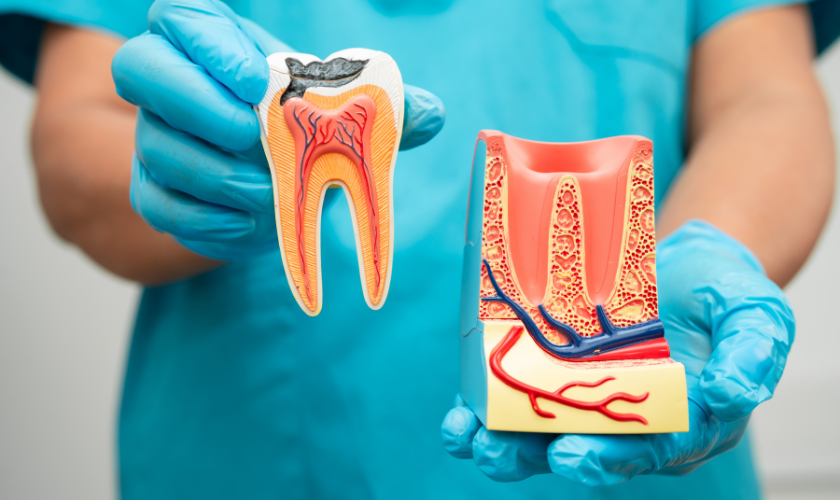
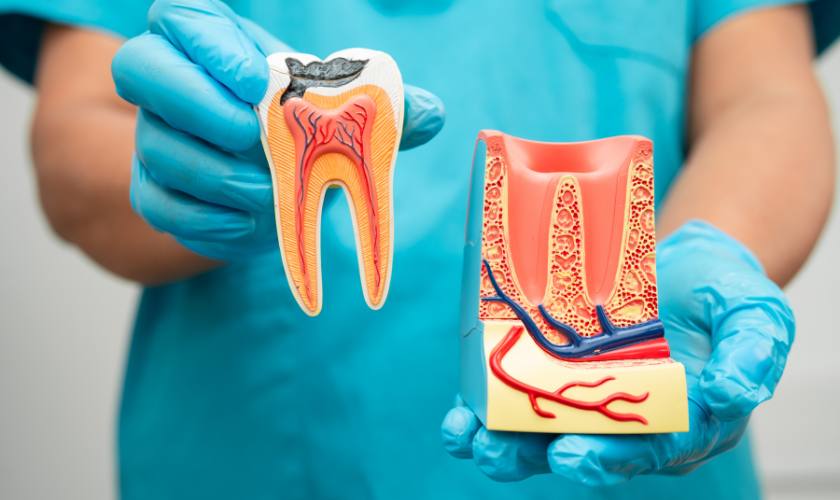
Your tooth isn’t a solid block. Within it lies a soft tissue called pulp, which contains nerves, blood vessels, and connective tissue. Once this pulp is infected or inflamed, it brings pain. Bacteria enter the pulp via:
- A crack or chip in your tooth
- Deep decay from an untreated cavity
- Repeated dental work on the same tooth
- Trauma from an accident or sports injury
Once bacteria reach the pulp, your body cannot fight the infection. The illness expands, the suffering intensifies, and unless it is treated, you may lose the tooth completely.
Clear Signs You Need Root Canal Treatment
Root canal treatment in Riverview, FL, is needed when the pulp is so damaged that it cannot be reconstructed. Being aware of the symptoms would help you take early steps to prevent complications. Watch for:
Persistent pain that won’t quit
The discomfort can either be chronic or intermittent. It might hurt when you bite down or when it throbs on its own. When non-prescription pain medication is not working, then it is time to seek professional treatment.
Extreme sensitivity to temperature
Sharp pain after drinking iced tea is expected, but prolonged pain after drinking the beverage or acute pain after drinking hot coffee may indicate a problem. The result of this sensitivity is usually a damaged nerve in the tooth.
Swollen or tender gums
Search for a small bump around the sore tooth. This may be an abscess, a collection of pus caused by infection. It can be painful to touch, and you can experience swelling of the face or neck.
Tooth discoloration
When the pulp dies, the tooth may become grey or dark as the inside part decomposes. When you notice a change in colour with pain, you need to have it checked.
Prolonged sensitivity to pressure
If the tooth remains painful even after chewing or being touched, the nerve may have been damaged. This does not improve over time.
What Actually Happens During the Procedure?
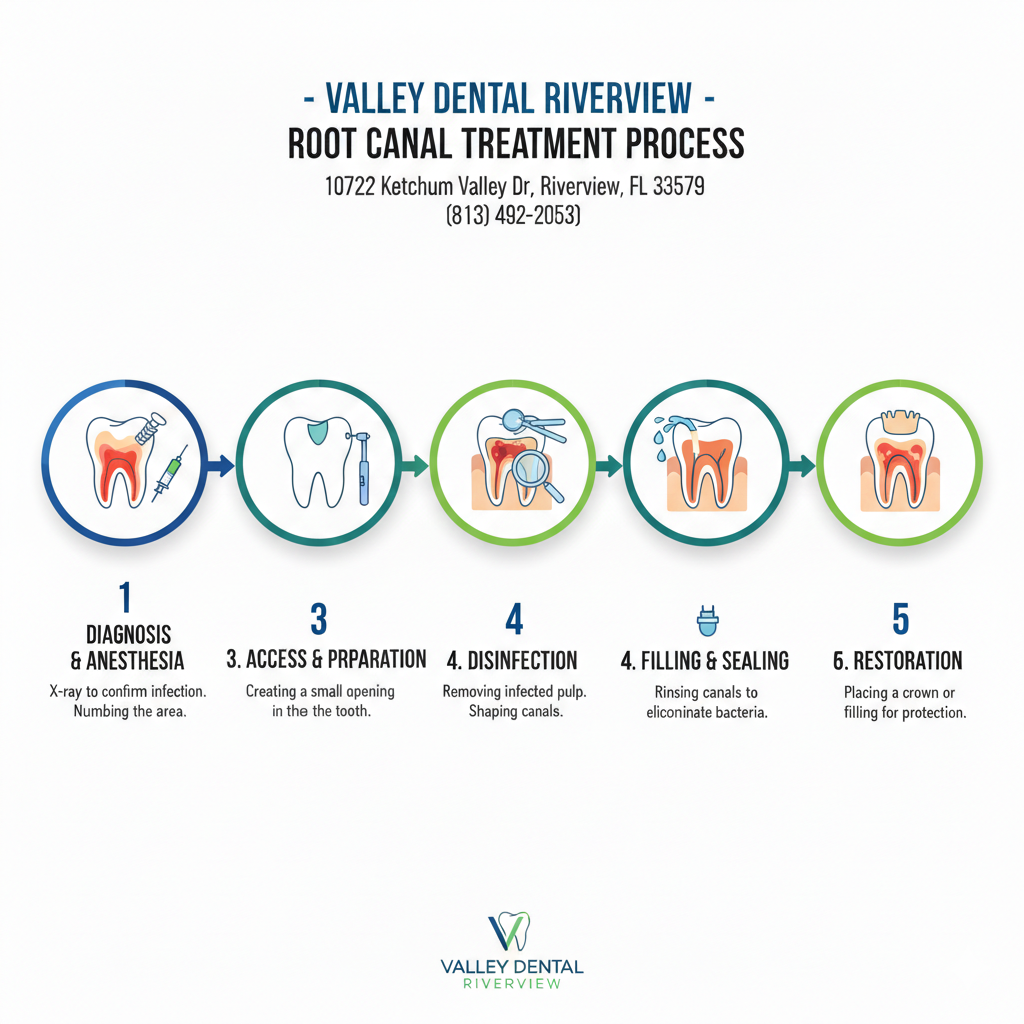
The process of a root canal treatment in Riverview, FL, removes the infected pulp, cleans the inside of the tooth, and seals it to prevent future infection. This treatment is easy and effective, due to modern techniques.
Your dentist will numb the part. You will not feel the process — just a little pushing. They make a tiny hole in the tooth to reach the pulp chamber. They remove all infected tissue using specialised instruments and thoroughly clean the root canals.
They then fill the space with a rubber-like material called gutta-percha after cleaning it. This closes the canals and prevents bacteria from reentering. Lastly, they carry out a temporary restoration to cover the tooth until you can have a permanent crown.
The process typically takes one or two sessions, depending on the severity of your infection. Most individuals resume their usual functions the following day.
Why You Shouldn’t Wait
If root canal treatment is delayed, the infection will spread. It may develop an abscess, a pocket of pus which is very painful and swollen. The infection can also spread to your jawbone and, in rare cases, to other parts of your body.
It is practically always better to save your natural tooth. It works even better than any replacement and helps keep your jaw and facial structure intact.
Life after Your Treatment: What to Expect
Your tooth and your gums may be sore for a few days following the procedure. It is natural and can be treated using over-the-counter painkillers. Don’t chew on that tooth until your permanent crown comes in.
Normal eating can resume for most individuals within a day or two. At this point, stick to soft foods in case you are sensitive. It is imperative to have good oral hygiene following treatment. Brush your teeth twice a day, floss, and maintain dental visits.
Taking Care of Your Teeth in Riverview
Prevention is better than a cure. As these habits protect your teeth:
- Regular dental check-ups will identify issues in their early stages before they require significant care.
- Brush with fluoride toothpaste twice a day.
- Clean your teeth using floss.
- Limit sweets and beverages that feed harmful bacteria.
- Use a mouthguard when playing sports or grinding at night.
If you experience symptoms, do not wait until they take hold. Early intervention usually means simpler, less expensive care.
Book an Appointment at Valley Dental
Stop spending another day in pain in your teeth. The Valley Dental team is well-versed in dental emergencies and offers quality care with compassion, right here in Riverview. We use the latest instruments to ensure you are comfortable during your root canal treatment in Riverview, FL.
Call Valley Dental today to make your assessment. We will also examine your tooth, explain what you can do at home, and develop a treatment plan that suits you. Your natural tooth will be saved, and we are here to ensure your smile remains intact and pain-free.
Commonly Asked Questions
1. How much time is required to heal from a root canal procedure?
Typically, recovery from a root canal is quick. You’ll likely feel better in a few days. If you follow your dentist’s aftercare instructions, you can recover without any problems.
2. Will I suffer any pain during root canal therapy?
A root canal is not painful, contrary to popular belief. During the procedure, a local anesthetic is applied so that most patients experience little to no pain during treatment.
3. Is it possible for a root canal to fail?
A root canal is never 100% guaranteed, as it can fail in certain cases. For example, if the tooth is not properly sealed to stop or prevent infection, the procedure can fail. Your dentist can help avoid any potential issues.
4. What are the indicators for requiring root canal therapy?
Typical indicators include constant toothache, discomfort with hot or cold drinks, gum swelling, or tooth darkening. If you experience any of these, contact your dental professional for an assessment.