10722 Ketchum Valley Dr, Riverview, FL 33579

Common Dental Emergencies Related to Dry Mouth and Medications

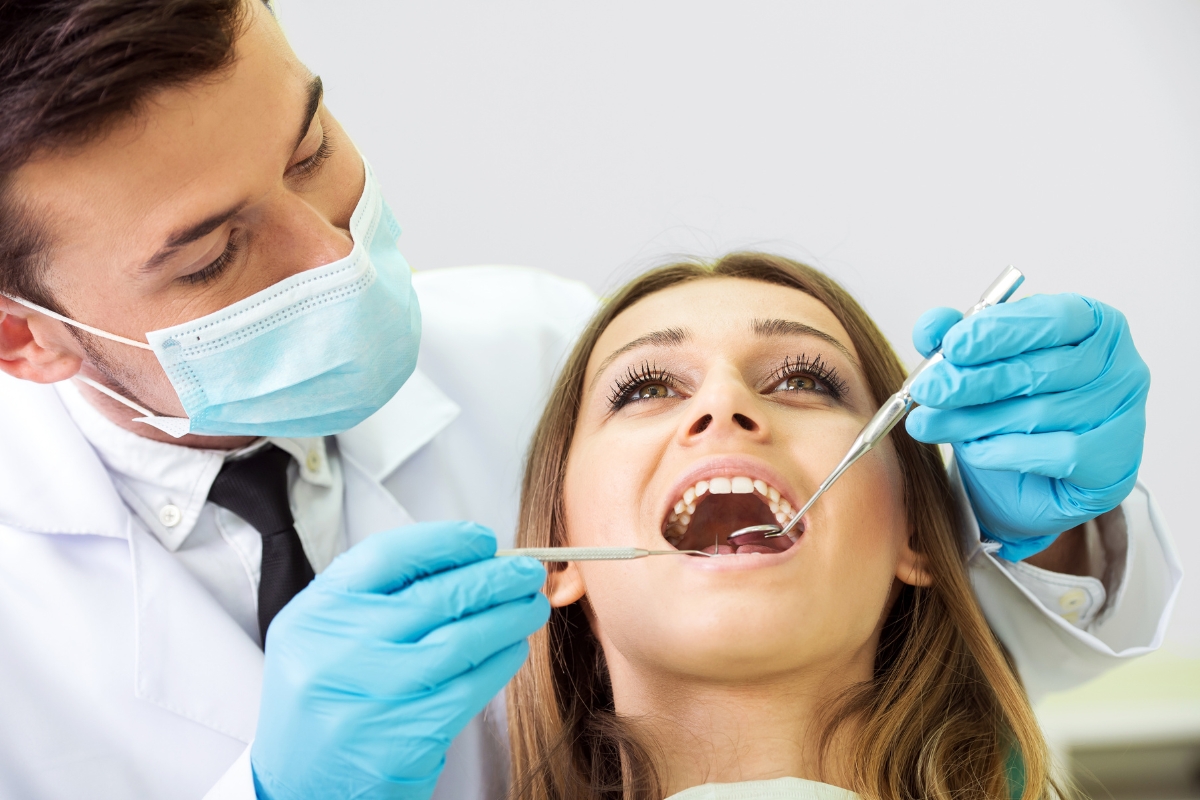
Millions medicate daily with various medications. The silent effect of such drugs on oral health remains mostly unsuspected. Dry mouth, otherwise known as xerostomia, quietly begins to set in and causes dental damage. Saliva protects teeth, and when medications decrease its flow drastically, it often leads to sudden decays, infections, and other painful surprises.
Many patients go to an emergency dentist without realizing their medications are at fault. Knowing this connection can save one from major problems before they even strike. Let’s find out how drugs affect your mouth and which emergencies you need to look out for.
How Medications Contribute to Dry Mouth
What Causes Dry Mouth?
Saliva is reduced by certain medications by affecting the function of the glands. Some drugs most likely to cause dryness include antihistamines, antidepressants, blood pressure drugs, and diuretics. Reduced saliva leaves your teeth without protection against the build-up of bacteria and acids. When dryness persists, cavities set in quicker, along with risks of infection.
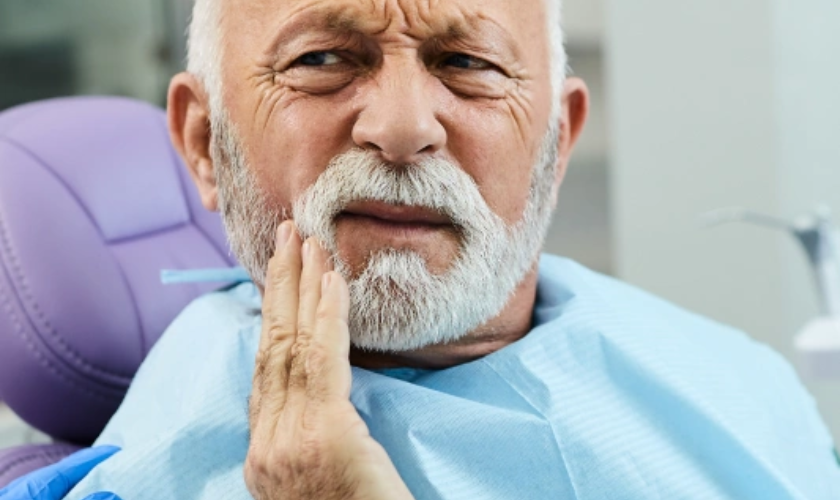
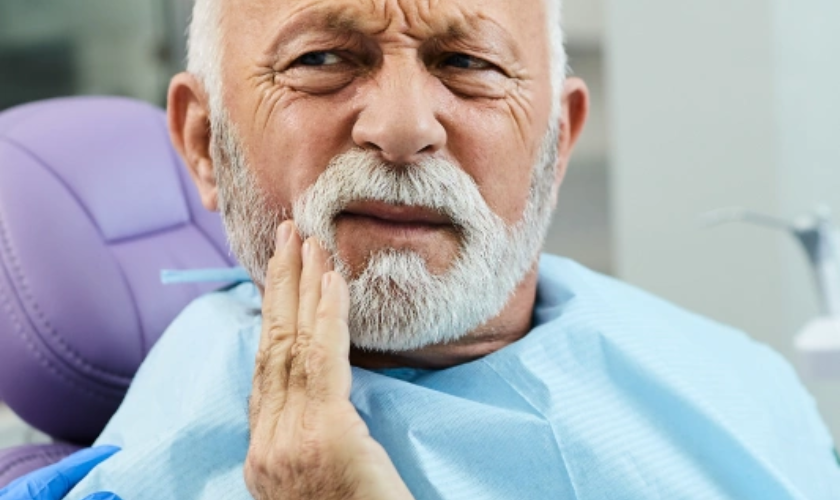
Often, patients feel a sticky sensation or difficulty while swallowing. Cases of medication-induced dryness that lead to severe dental pain are too common to be treated by an emergency dentist in Riverview. The earlier this is identified, the lower the chances of emergency dental visits later on.
Why Saliva Matters More Than You Think
Saliva neutralizes acids and rinses off bacteria throughout the day. Saliva protects enamel and maintains healthy gums. If there is not enough saliva, plaque multiplies aggressively, forming decay and inflammation. Bacteria thrive, and enamel weakens due to acid attacks. Cavities develop quickly, and gum tissues become painfully swollen.
In extreme cases, only an emergency dentist can alleviate discomfort and restore functionality. There are many things that can be done to maintain the flow of saliva for long-term oral protection and comfort.
Common Dental Emergencies Associated with Dry Mouth
Tooth Decay and Cavities
The dry mouth accelerates bacterial growth and results in a speedy breakdown of the enamel. The cavity will get deeper and cause severe pain and abscesses. Many patients need an emergency dentist when untreated decay reaches the pulp.
Gum Infections and Swelling
The bacteria collect along the dry gums, causing inflammation and redness. If there is bleeding or pus, it is a sign of deeper infection. An emergency dentist can treat an abscess of the gums and halt the pain, preventing tooth loss.
Cracked or Broken Teeth
Dry mouth weakens the enamel of the teeth, making the teeth brittle and sensitive. The sudden pressure results in chipping or fracturing. Immediate care from an emergency dentist prevents further damage and restores function.
Oral Infections and Burning Mouth Syndrome
Chronic dryness promotes fungal infections, such as oral thrush. The patients experience burning or soreness. Early control and relief of symptoms are assured by prompt care provided by an emergency dentist.
Preventing Dental Emergencies When You Have Dry Mouth
Keep the Mouth Moist and Salivate
Drink water throughout the day. Use saliva-enhancing sugar-free lozenges or xylitol gum to increase moisture. Managing moisture decreases emergency trips to an emergency dentist.
Review Medications With Your Dentist
All medications should be discussed at each follow-up visit. Physicians may adjust dosages or prescribe an alternative medication. Regular reviews help prevent dryness complications that require a patient to be treated by an emergency dentist.
Continue the use of proper oral hygiene.
Brush your teeth with fluoride toothpaste at least twice daily; avoid alcohol-based rinses, which worsen dryness. Care consistently taken minimizes risks of infection and reduces emergency visits due to decay.
When to Get Emergency Dental Care
Sudden swelling, bleeding, or throbbing pain signals danger. Difficulty in swallowing or abscess formation demands urgent help. Visit an emergency dentist in Riverview without delay. Early intervention prevents infections from spreading and saves teeth. Immediate attention also ensures lasting relief from pain caused by medication-related dryness.
Harmless-looking dry mouth invites serious dental emergencies. Awareness may protect your smile and prevent costly repairs. Talk openly to your dentist and physician about side effects. Never let warning signs or sudden oral pain go unaddressed.
At the onset of dryness or discomfort, get in touch with an emergency dentist right away. Quick care means comfort and confidence with every smile.