10722 Ketchum Valley Dr, Riverview, FL 33579


Tooth Pain That Won’t Go Away? It Might Be Time for a Root Canal in Riverview

A chronic toothache is more than a bother; it may interfere with your eating, sleeping, talking, and focusing during the day. Most people try to live with the discomfort by using home remedies or over-the-counter medication in hopes the problem will subside. Unfortunately, pain that persists or recurs is usually a warning that something inside the tooth is going haywire.
If the inside tissue has become infected or inflamed, a root canal in Riverview may be just what is needed to put an end to your pain, eliminate bacteria, and ultimately protect your natural smile. Treating the issue early will prevent complications from popping up and avoid more complicated processes in the future.
So, let’s have a look at why tooth pain persists, how to recognize symptoms of infection, and what one can expect from treatment.
Why Tooth Pain Should Never Be Ignored
In fact, pain is the alarm system of the human body. Prolonged pain is indicative that the nerve is irritated or damaged within the tooth. An infection within a tooth does not clear up by itself, unlike an infection within the gum that disappears if hygiene is followed correctly.
If the problem is not addressed, there are possibilities that the bacteria might spread, which could lead to an increased risk of swelling, abscesses, and other complications with the bone. Receiving medical attention at the right time could make things easier to deal with.
What Causes Persistent Tooth Pain?
Several dental problems can lead to discomfort that does not fade.
Deep Decay
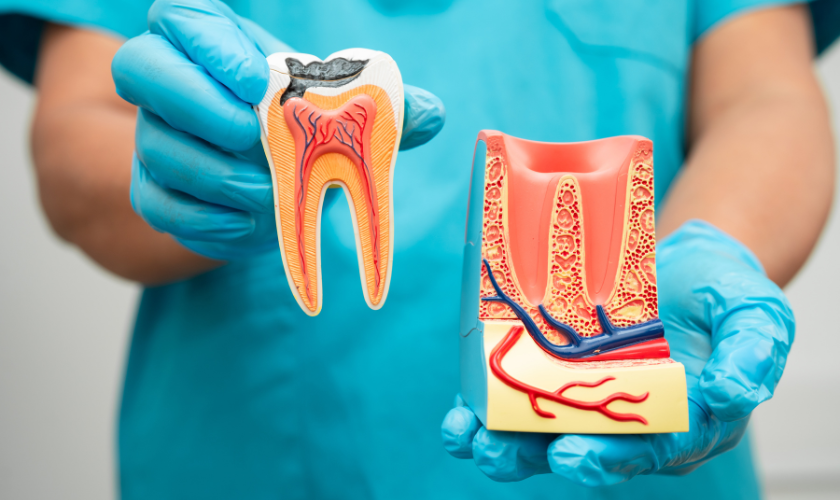
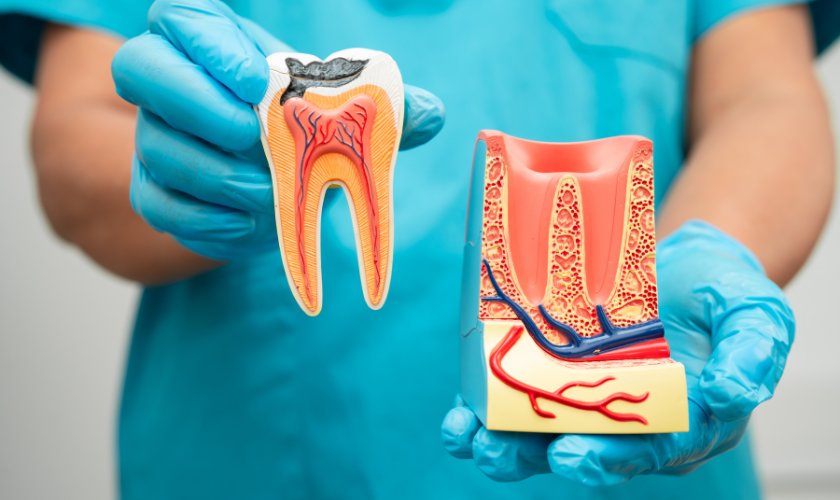
Cavities that extend beyond the enamel and dentin can reach the pulp, where nerves and blood vessels live. Once bacteria enter this area, inflammation develops quickly.
Cracks or Trauma
A fracture may allow bacteria to seep into the inner tooth even if the damage is not visible from the outside.
Repeated Dental Work
Teeth that have undergone multiple procedures sometimes experience irritation of the pulp over time.
Advanced Infection
If untreated, infection can spread beyond the tooth into surrounding tissues, leading to pressure and significant pain.
In many of these situations, a root canal in Riverview becomes the recommended solution to remove the source of the problem.
Signs You May Need a Root Canal in Riverview
Symptoms vary depending on the severity of infection, but certain patterns are common.
Lingering Sensitivity
If hot or cold foods cause pain that lasts more than a few seconds, the pulp may be inflamed.
Pain When Biting
Discomfort during chewing often indicates pressure within the tooth or surrounding ligaments.
Spontaneous Toothache
Pain that appears without stimulation, especially at night, can signal nerve involvement.
Swollen or Tender Gums
Inflammation near one tooth may indicate infection at the root.
Darkening of the Tooth
A color change sometimes reflects damage to internal tissue.
Even mild symptoms deserve evaluation. Early diagnosis can mean easier treatment and faster relief.
What Happens During a Root Canal?
Many patients feel nervous because of outdated myths. In reality, modern root canal therapy is designed to eliminate pain, not create it.
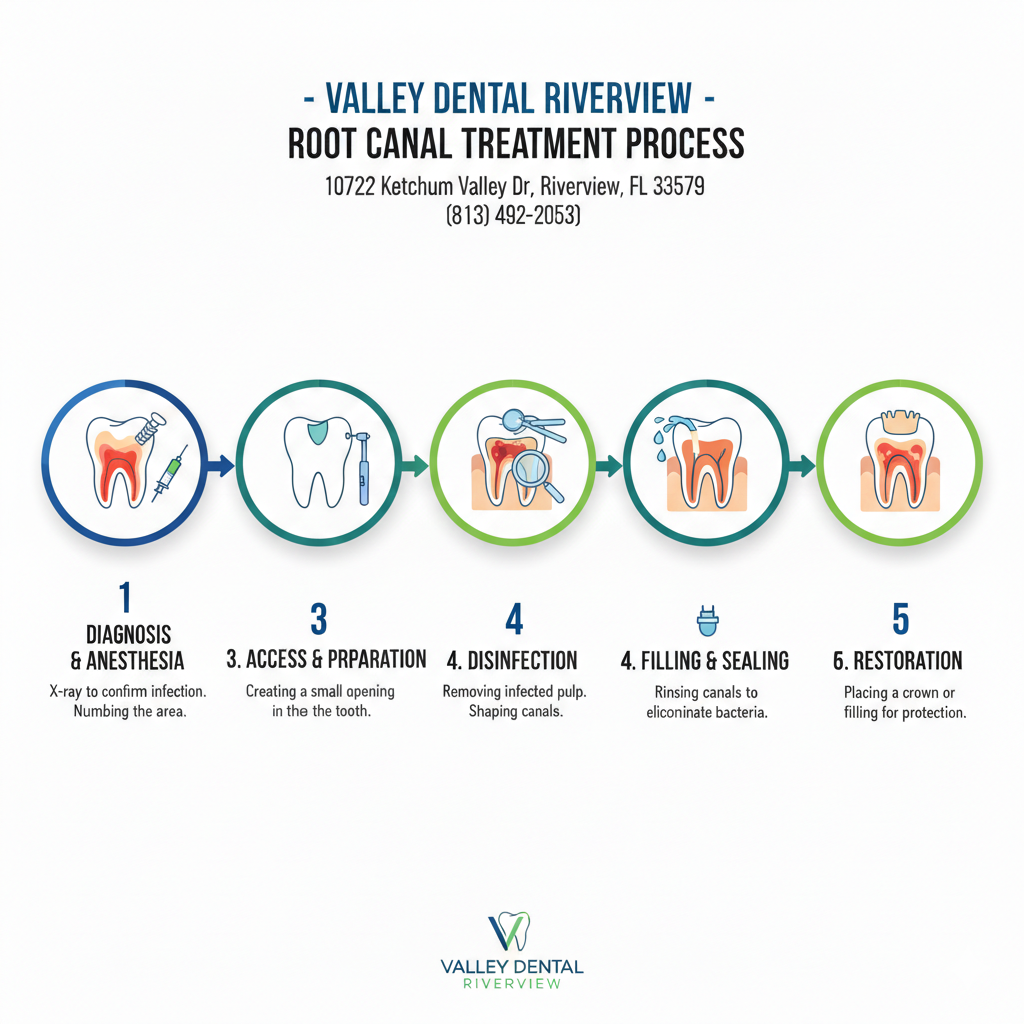
Step 1: Careful Diagnosis
Digital imaging helps determine the extent of infection and confirms whether the tooth can be saved.
Step 2: Removing the Infection
The dentist creates a small opening in the tooth, removes inflamed tissue, and disinfects the inner canals.
Step 3: Sealing the Tooth
The cleaned space is filled and sealed to prevent bacteria from returning.
Step 4: Restoring Strength
Most teeth receive a crown afterward to protect them from fracture and restore normal function.
With today’s techniques and anaesthesia, many people compare the experience to receiving a routine filling.
Benefits of Saving Your Natural Tooth
Whenever possible, preserving natural structure is the healthiest option.
Maintains Proper Bite
Keeping the original tooth prevents shifting and alignment issues.
Supports Jaw Health
The root continues to stimulate the surrounding bone.
Restores Comfortable Chewing
After healing, you can eat normally again.
Natural Appearance
A crown is designed to blend seamlessly with your smile.
Choosing a root canal in Riverview often avoids the need for extraction and replacement.
What Happens If You Wait Too Long?
Delaying care can turn a manageable infection into a dental emergency.
Bacteria may spread beyond the tooth, causing swelling in the face or jaw. Pain often intensifies and may become constant. In advanced cases, the tooth might no longer be savable, requiring removal instead of repair.
Early treatment typically means fewer appointments, lower cost, and better long-term outcomes.
Recovery After a Root Canal
Most patients return to normal routines within a day.
Some mild tenderness can be expected for a period of time, especially when chewing. This will quickly resolve as healing progresses. Compliance with guidance, oral hygiene habits, and follow-up visits will optimize the outcome of treatment.
Preventing Future Infections
While not every issue can be avoided, good habits greatly reduce risk.
Maintain Daily Oral Care
Brushing and flossing limit bacterial buildup.
Visit the Dentist Regularly
Routine exams help detect small problems before they reach the pulp.
Address Small Cavities Early
Timely fillings can prevent the need for more extensive treatment.
Protect Teeth From Grinding
Night guards reduce stress that can lead to cracks.
When to Seek Immediate Help
Call for an evaluation promptly if you notice:
- Severe or worsening pain
- Swelling in the gums or face
- Fever or general illness
- A pimple-like bump near the tooth
These signs may indicate a spreading infection and should not be postponed.
Conclusion
Tooth pain that persists is your cue to take action. It might be tempting to have the pain go away on its own, but it is important to take note that pain means something is amiss with the inner tissue of your teeth. If left untreated, the infection may worsen and cause harm to the root of the teeth and the bone levels in the process.
A prompt root canal treatment in Riverview can help remove the infection, relieve the pressure, and bring back health and beauty while keeping your original smile. The treatment has become comfortable and remarkably successful through advanced technology.
If a tooth has been giving you trouble for several days or weeks, let a dental professional take a look right now. Not only can it prevent problems later, but relief, function, and peace of mind can all be just one appointment away.
FAQs
1. How do I know if my tooth pain requires a root canal?
Pain that lingers, occurs without stimulation, or is accompanied by swelling often suggests pulp infection. An exam and imaging provide confirmation.
2. Is a root canal in Riverview painful?
With modern anaesthesia, the procedure is typically comfortable. Most people feel better afterward because the infection is removed.
3. How long will the treated tooth last?
With proper restoration and good oral hygiene, many root-canal-treated teeth last for decades.
4. Can antibiotics replace a root canal?
Antibiotics may temporarily reduce symptoms, but they cannot eliminate the infection inside the tooth. Definitive treatment is still necessary.
5. What happens if the tooth cannot be saved?
If damage is too severe, extraction and replacement options such as implants or bridges may be discussed.