10722 Ketchum Valley Dr, Riverview, FL 33579


6 Reasons Dental Fillings Are Recommended Unexpectedly

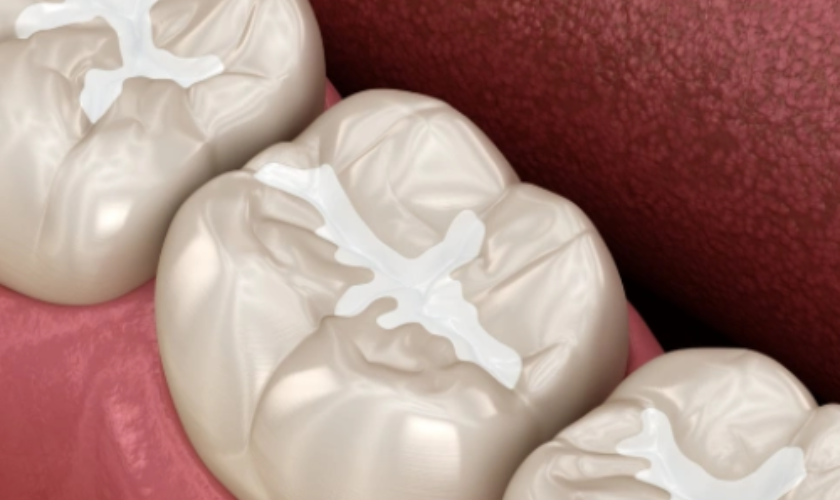
In terms of oral health, fillings are considered to be amongst the most frequent procedures that you may require throughout a lifetime. Although fillings are usually advised because of cavities, there may be instances in which your dentist may advise you to get a filling, even though you are not anticipating this. At Valley Dental, we are concerned about the health of your smile, which is why we are going to discuss the six reasons dental fillings may be recommended to you unexpectedly in this blog.
1. Invisible Cavity
Cavities can easily develop just below the surface of your tooth, where they aren’t immediately visible. The decay may not be diagnosed until you go for a check-up, at which time the extent of the decay can be seen through an X-ray.
2. Cracked or Chipped Teeth
A cracked or chipped tooth may look like no big deal, but it can create an entry point for bacteria that can cause problems down the road. Maybe you’re not feeling any pain, but if so, your dentist might still want to place a filling to help prevent infection. Dental fillings in Riverview, FL can restore a tooth’s strength and protect it from further complications.
3. Extreme Sensitivity to Heat or Cold
If you find that your teeth have become very sensitive when you expose them to temperatures of high or low heat, it means that they could be suffering from some form of damage or decay. A filling is required if you notice your teeth have started to wear down or develop cracks.
4. Wear and Tear on Teeth
Over time, the natural wear and tear of your teeth, such as from eating, grinding, or clenching, may cause damage. This may increase your teeth’s risk of decay and sensitivity. If this suggests tooth enamel damage or other problems, your dentist may recommend dental fillings in Riverview, FL, to strengthen your teeth and maintain optimal oral health.
5. Tooth Infection or Abscess
Sometimes, infections or abscesses may occur in parts of your tooth that you cannot see or feel. If the infection is not identified and treated promptly, it may spread to the tooth’s pulp, leading to complications. At times, a filling may be necessary to treat the infection and protect the tooth, preventing further complications, including the need for a root canal.
6. Incorrectly Fitted Fillings or those requiring replacement
Sometimes, a filling from a previous restoration becomes loose or develops a crack. Eventually, this could make the tooth susceptible to decay. A new restoration will likely be needed.
Conclusion: Take Action Early for Optimal Oral Health
It is always best to treat any dental issues once they have been identified. If it is time for your routine appointment or you are experiencing tooth pain, it is always best to consult your dentist and assess any potential treatment, such as dental fillings in Riverview, FL. At Valley Dental, our goal is to provide you with only the best service possible.
FAQs
Why are dental fillings necessary?
Dental fillings are required to restore a damaged tooth due to decay, maintain its functionality, and prevent infection.
What is the lifespan of dental fillings?
The average longevity of tooth fillings depends on the material used in their construction and can last from 5 to 15 years.
Are dental fillings painful?
Well, definitely not. In fact, the procedure for filling a tooth is generally not painful. This is because dentists can first anesthetize the area.
Can fillings help with tooth sensitivity?
Yes, fillings can help reduce sensitivity caused by cracks, cavities, or enamel erosion by sealing the area.
How do I know if I need a filling?
If you experience pain, sensitivity, or visible cavities, it is best to consult your dentist to determine whether your teeth need filling.
What are the various types of dental fillings?
Typical filling materials may involve amalgam, composite, gold, and porcelain. Your dentist can advise you on the most appropriate material suitable for your case.
Can you eat after getting a filling?
It’s advised to wait 1 hour before eating, and to avoid hard foods for 24 hours to allow the filling to set.